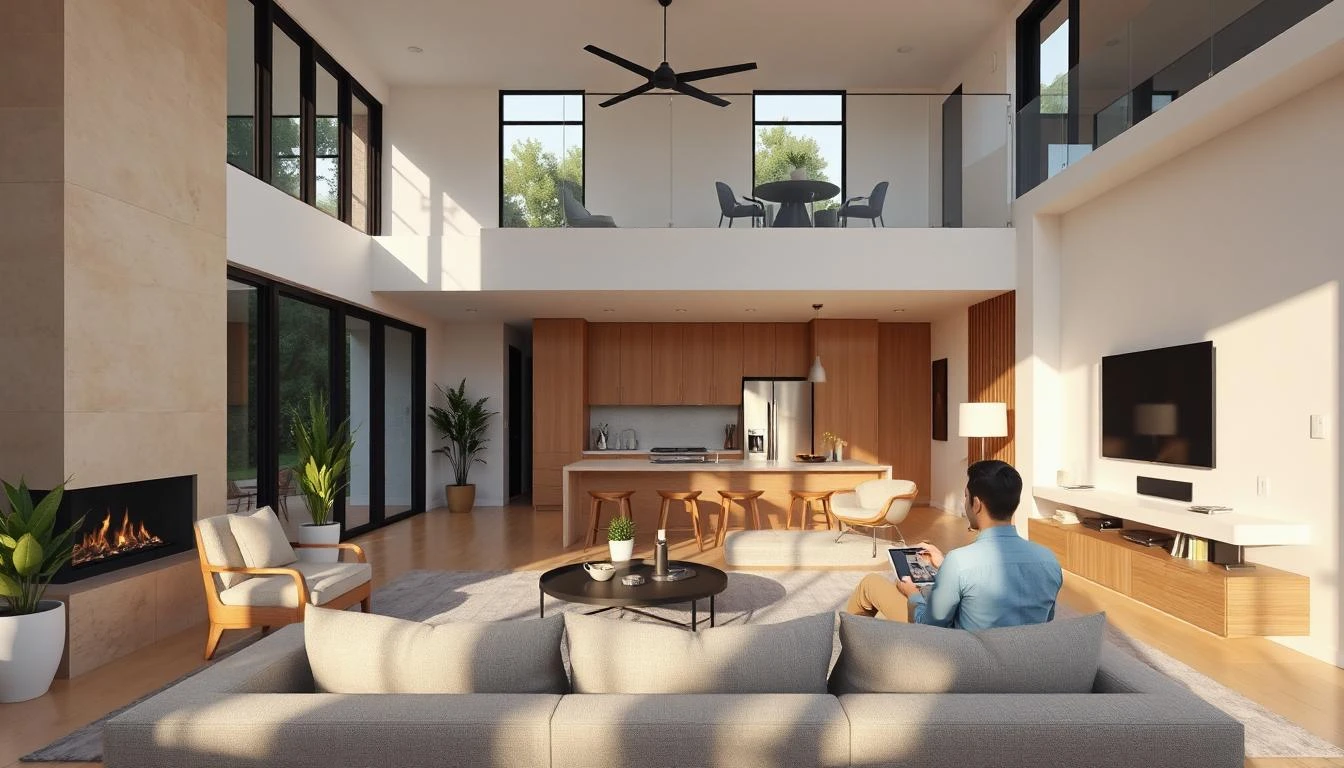
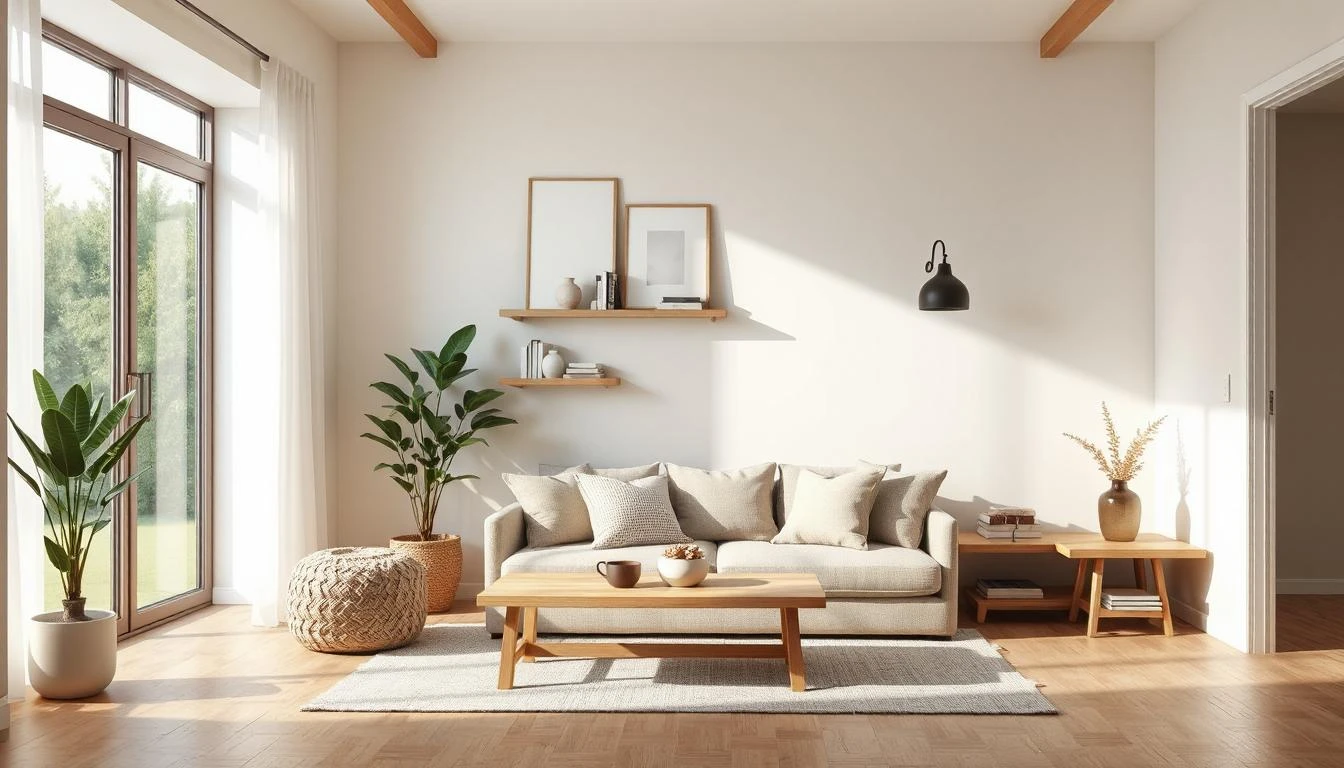
Interior Ideas For Functional Living
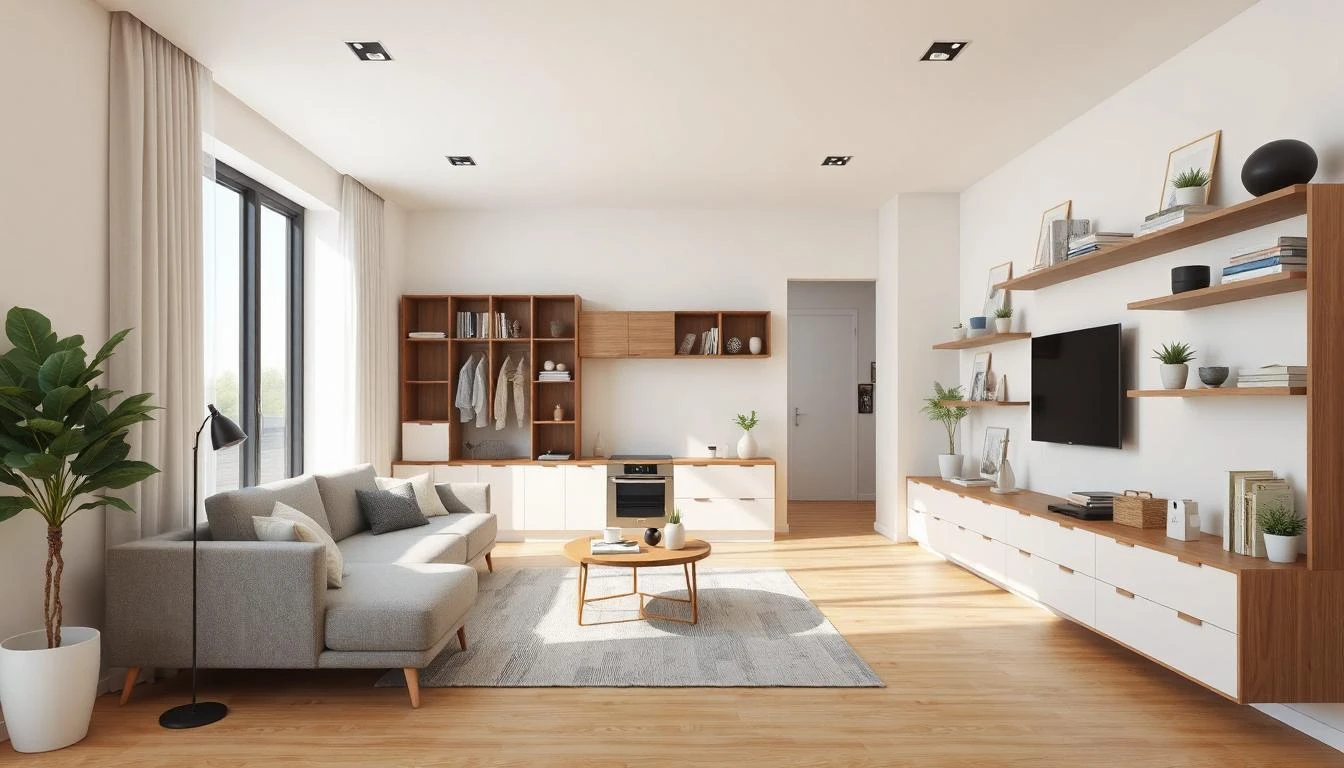
Living spaces today are no longer just about appearance, they are about intention, movement, and experience. Every corner of a home now shapes how daily life flows, from simple routines to deeper moments of comfort, making design feel more connected to real human behavior.
functional interior design solutions are now the foundation of modern home transformation, where every layout and furniture choice is made with purpose. As Jonathan Reed, Senior Interior Architect at Urban Living Lab, says, “A functional home is not defined by size, but by how intelligently each space responds to human behavior.”
Interior Ideas For Functional Everyday Living
Before diving into specific techniques, it’s important to understand that modern interiors are built around flexibility and purpose. Homes today must adapt quickly to changing needs, from work to relaxation and everything in between. This mindset shapes the foundation of functional living design.
When discussing practical interior ideas for daily living, it becomes clear that the goal is not complexity but clarity, making every object and space serve a meaningful role in everyday routines.
Designing spaces around daily activities
A well-designed home begins with observation of daily habits. Where you sit, how you move, and what you use most frequently all influence layout decisions. Spaces that align with human routines naturally feel more intuitive and efficient.
Flexible furniture for multiple purposes
Furniture today is expected to do more than one job. Beds with storage, foldable tables, and modular seating systems allow rooms to shift function effortlessly throughout the day. This flexibility is essential in compact living environments. These adaptable elements are central to practical interior ideas for daily living, helping homeowners maximize usability without increasing clutter or visual noise.
Maximizing comfort without sacrificing style
Comfort does not need to compete with style. Soft textures, layered lighting, and balanced color palettes allow a space to feel warm while remaining highly functional. The key is thoughtful integration rather than compromise.
Smart Approaches To Functional Interior Design
Modern interiors require more than creativity, they require structure, planning, and intelligent flow. Every decision should enhance usability while maintaining visual harmony. This is where functional interior design solutions evolve into strategic planning tools rather than just aesthetic choices.
Efficient room layouts and traffic flow
A home should guide movement naturally. Poor layout design creates friction, while well-planned zoning enhances comfort and efficiency. Open spaces that are logically arranged reduce unnecessary effort in daily tasks. Interior strategist Emily Carter of Spatial Logic Institute once stated, “Flow is the invisible architecture of comfort, if movement feels effortless, the design has succeeded.”
Storage solutions for organized living
Clutter disrupts both function and mental clarity. Hidden storage, vertical shelving, and integrated cabinetry help maintain order without compromising design aesthetics. Smart storage is no longer optional, it is essential. Modern design trends strongly align with functional interior design solutions, especially in urban environments where space optimization is critical.
Practical decor that enhances usability
Decor should serve a dual purpose, beauty and function. Mirrors can expand space perception, lighting can define zones, and textures can guide emotional tone within a room.
Improving Quality Of Life Through Design
Before exploring detailed solutions, it is important to recognize that interior design directly affects mental clarity, productivity, and emotional well-being. A well-structured home becomes a silent partner in daily life, reducing stress and improving focus. Designing with intention transforms spaces into supportive environments that respond to human needs rather than overwhelm them.
Creating productive work from home spaces
With remote work becoming a global norm, homes must now include dedicated productivity zones. Lighting, ergonomics, and noise control play critical roles in maintaining focus and efficiency. Using practical interior ideas for daily living, homeowners can create workspaces that blend seamlessly into residential environments without feeling disconnected or overly formal.
Enhancing relaxation with thoughtful interiors
Relaxation is not accidental, it is designed. Calm lighting, natural materials, and open breathing spaces help regulate emotional balance after long hours of activity.
Balancing aesthetics and functionality
A successful interior achieves harmony between beauty and usability. Overly decorative spaces lose practicality, while overly functional spaces lose warmth. Balance is the key to sustainable design satisfaction.
Upgrade Your Interior For Better Living Today
Before final transformation ideas, consider that even small adjustments can significantly improve how a home functions. Rearranging furniture, optimizing lighting, or simplifying layout structures can create immediate improvements in daily comfort.
Many homeowners underestimate how dramatically small design shifts can influence energy, productivity, and emotional stability within their living space. A well-executed interior strategy turns a house into a responsive environment that evolves with its occupants.